


How is my EV battery affected by severe weather?
How is my EV battery affected by severe weather?
If you regularly drive shorter distances, reaching 50 cycles annually won't be too difficult. An average person travels 15,000 miles annually. You should therefore have roughly 50 charge cycles annually if we use an average of 300. Depending on the model, an electric car can travel 6 to 8 miles on a single charge. A typical lead-acid battery pack can last between 200 and 500 charge cycles. Although individual outcomes vary, the general picture indicates that contemporary battery packs are made to last longer than the average car's ownership period.
A battery could hold onto about 82% of its initial capacity after eight years at that rate. An examination of over 22,700 electric cars revealed an average annual battery deterioration rate of roughly 2.3 percent. It allows you to charge your EV while you are on the job during normal business hours or contact sales while parked at work during other times. Since there is no explosion or combustion, there is neither coolant to control the extreme heat of controlled explosions nor oil to lubricate the cylinders.
There won't be a drain plug on the battery pack, and a Saturday morning fluid flush won't be necessary. Because of this basic engineering difference, the significant, ongoing cost of an oil change just disappears from your calendar. Electrons are sent from the battery to the motor, which rotates to produce motion. An electric powertrain runs with a lovely simplicity, in contrast to a gas-powered motor that depends on a steady supply of clean oil to lubricate hundreds of moving parts.
The Model X, however, has a bigger battery pack and all-wheel drive as well. For instance, you might notice that all-wheel drive is an option for the Model Y. Depending on the trim of the car you buy, this could cost between $10,000 and $15,000. Even longer lifespans are promised by solid-state batteries and enhanced lithium chemistries; according to some laboratory tests, these next-generation cells may last more than 500,000 miles before experiencing noticeable deterioration.
The future appears to be getting better. That's because your battery works differently when your car is warm or cool. Lead-acid batteries, which contain their electrolyte, are flooded. Lead-acid batteries come in two primary varieties: absorbed glass mat batteries, or AGM batteries. Compared to lead-acid batteries, lithium-ion batteries (Li-ion) are lighter and require no additional maintenance. However, if a Li-ion battery is fully depleted, it may be damaged.
Electronic gadgets like cellphones typically use them. Li-ion batteries are used in some electric cars. For instance, if the battery is charged and discharged correctly, the estimated lifespan of a Tesla Model 3 battery is approximately 300,000 miles, and the same is true for a Tesla Roadster.
Related products
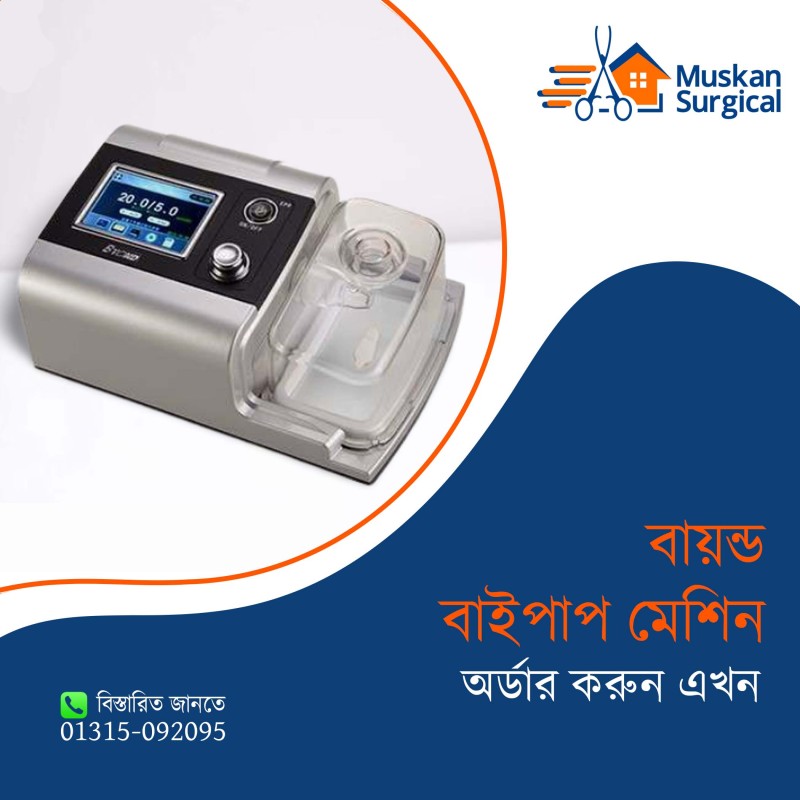
BIPAP Machine
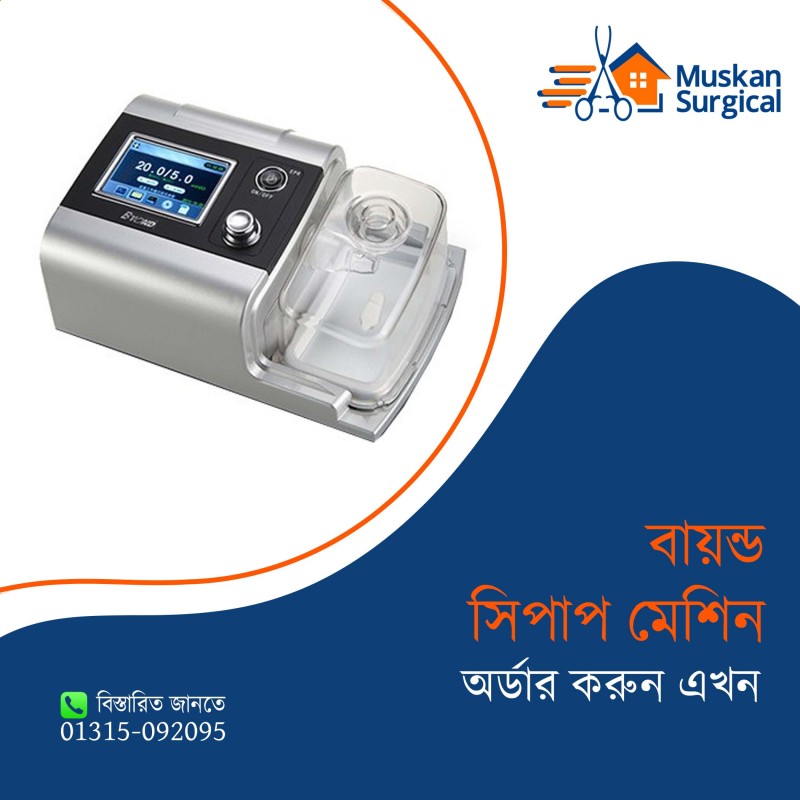
CPAP Machine Beyond
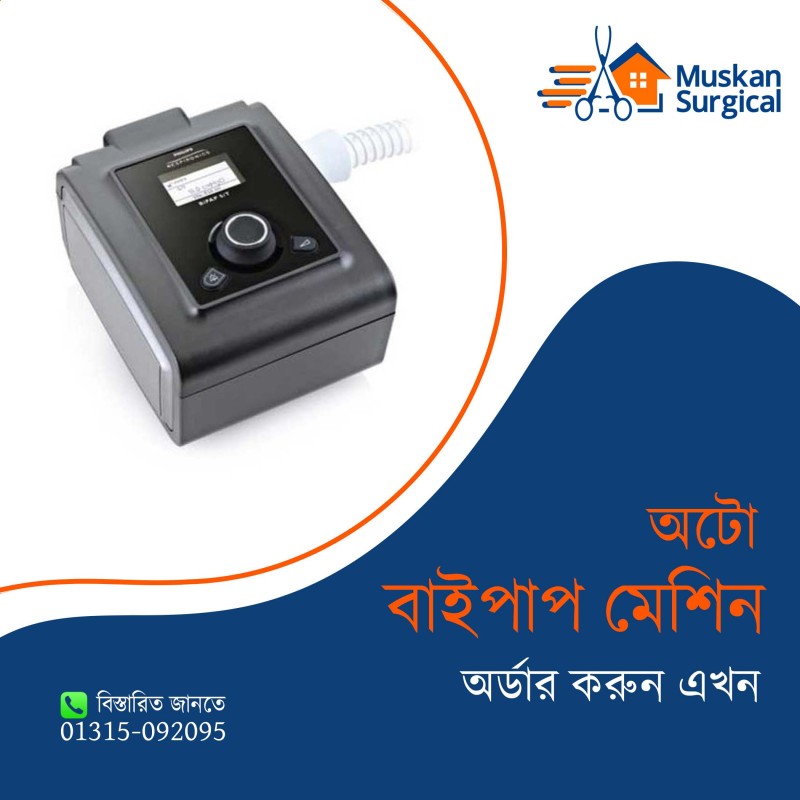
Auto BiPAP & CPAP Machine from –Muskan Surgical
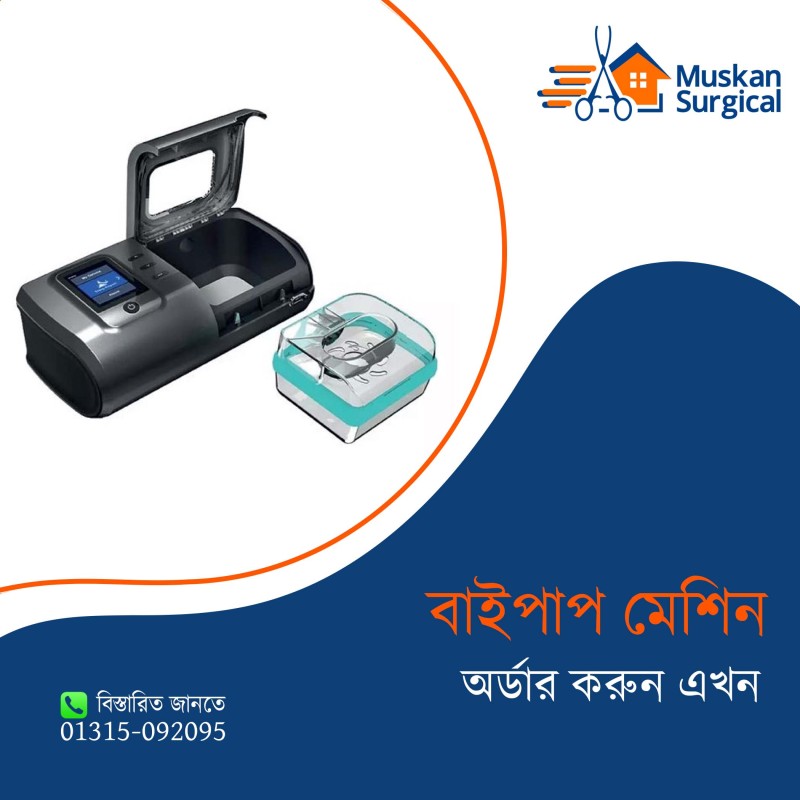
Best Quality BiPAP Machine
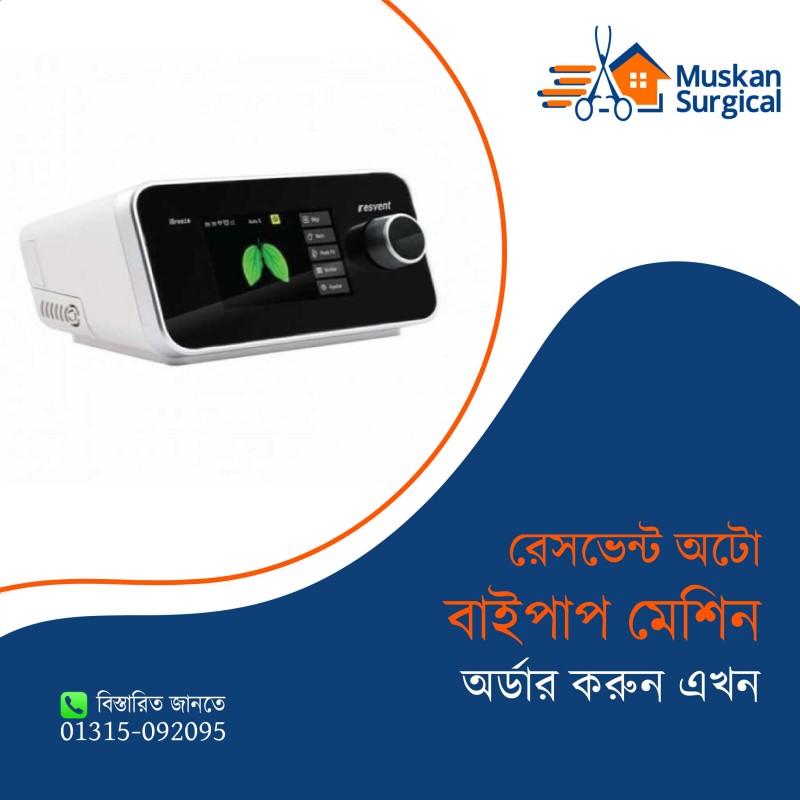
Resvent Auto BiPAP Machine with Heated Humidifier

Our Services:
* Surgical Items Home Service,
* Oxygen Cylinder Home Service,
* Nursing Care At Home – Covid-Non Covid Patient,
* Patient Care Attendant – Covid-Non Covid Patient,
* Physiotherapy Home Service,
* Doctor Home Visit etc.
Contact Info
- Address: Head Office: Ka/22,Kalachandpur, Gulshan, Dhaka-1212, Branch Office: 11, Parboti Nagor, Thana Road, Savar, Dhaka- 1340
- Phone: Hotline: +8801315092095, Contact Whatsapp: : +8801718-868394
- Email: support@muskansurgical.xyz

